Wind Lidar
Wind measurement challenges, such as unreliable data, complex terrain and costly installations, can delay critical decisions in renewable energy and meteorology. Wind Lidar sensors from Meteoxperts Solutions help to measure wind speed, direction, and profile at different heights without the need for tall masts. Using advanced laser technology, wind Lidar Sensors are useful in applications that require accurate wind data for planning, analysis, and performance evaluation. Meteoxperts Solutions offers the best wind lidar sensors online in India, which are suitable for field deployment and project-based applications. Our best wind lidar sensors are cost-effective and highly reliable for real-time insights. Explore the Best Online Wind Lidar Sensors at Meteoxperts Solutions Pvt. Ltd. for faster decisions and better project outcomes.

Wind Lidar Sensor Models with Specifications for Wind Resource Assessment
Our Wind Lidar sensor models are available for wind energy, meteorological monitoring, environmental studies, and research applications. Compare specifications and features to identify a suitable solution for your monitoring requirements.
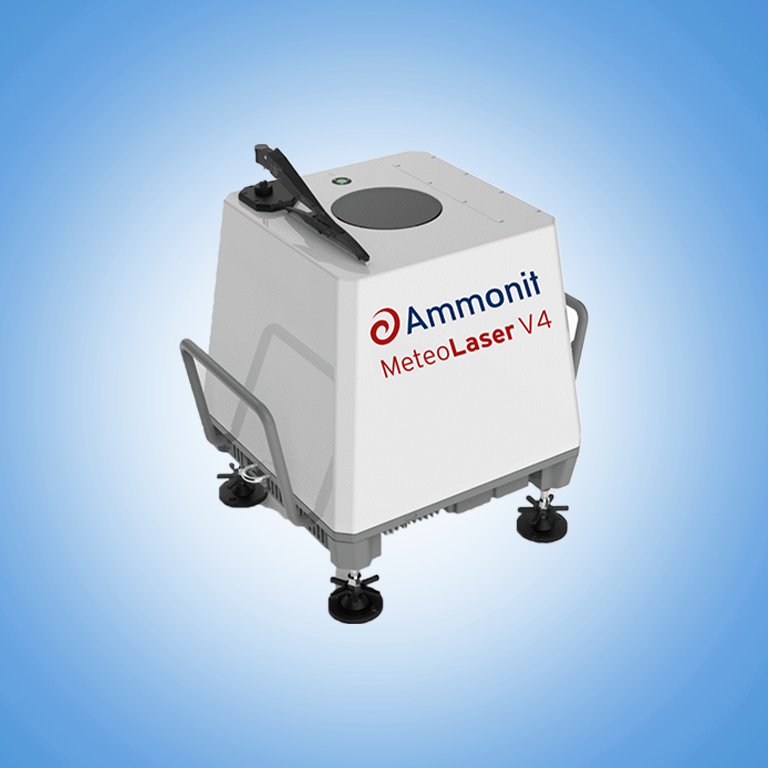
Wind Lidar
MeteoLaser Pulsed Doppler LiDAR V4 – 3D Wind Speed & Wind Direction Measurement
Frequently Asked Questions
Wind Lidar stands for Light Detection and Ranging. It works by emitting laser pulses into the atmosphere and analyzing the backscattered light that returns after interacting with moving air particles. The change in frequency of the returned signal (Doppler shift) is used to calculate wind speed and direction at various altitudes.
Unlike traditional cup anemometers or wind vanes, Wind Lidar does not require tall towers or physical contact with the airflow. This makes it ideal for remote locations, offshore sites, and areas where installing meteorological masts is difficult or expensive.
A Wind Lidar sensor works by emitting laser pulses into the atmosphere and receiving the light scattered back by aerosols (small particles in the air). It uses the Doppler shift in the returned signal to determine the velocity of air moving along the laser beam.
By directing the laser in multiple orientations, the sensor calculates wind speed and direction at different heights above the ground, providing a vertical wind profile without the need for physical measurement towers.
Meteoxperts Solutions provides Wind Lidar sensors for applications where wind measurement at multiple heights is required. You can explore available models and request details based on your project requirements.
Wind Lidar Sensors from Meteoxperts Solutions are widely used in applications where accurate wind data is important for planning, analysis, and operations:
1. Wind Resource Assessment – Helps measure wind speed and direction at different heights to understand the actual wind potential of a site before project planning.
2. Wind Energy Project – Supports turbine siting, performance monitoring, and optimization by providing consistent wind profile data.
3. Site Feasibility Studies – Used to evaluate whether a location is suitable for wind energy or other applications without installing tall measurement masts.
4. Environmental & Weather Research – Assists in studying atmospheric conditions, wind patterns, and boundary layer behaviour for research and analysis.
5. Aviation Applications – Provide wind data that can support safer flight operations, especially during take-off and landing, where wind conditions are critical.
Wind Lidar sensors use laser-based remote sensing to measure wind conditions and are used where accurate wind data is required:
1. Measures Wind at Multiple Heights – Provides wind speed and direction data at different heights above ground level.
2. No Need for Tall Met Masts – Operates from the ground, reducing the need for installing high measurement towers.
3. Remote, Non-Contact Measurement – Uses laser beams and Doppler shift to detect wind movement without physical sensors in the air.
4. Wind Profiling Capability – Captures vertical wind profiles, which are important for wind resource assessment.
5. Real-Time Data Collection – Continuously records wind data for monitoring and analysis.
6. Ground-Based System – Installed at a single location while measuring wind over a vertical range.
As the best environmental monitoring sensors online in Noida, Wind Lidar sensors from Meteoxperts Solutions provide benefits in projects where accurate wind measurement is required:
1. No Mast Installation Required – Eliminates the need for tall measurement towers, reducing setup effort and simplifying site preparation.
2. Multi-Height Wind Data – Provides wind speed and direction data at multiple heights, helping in understanding the full wind profile.
3. Faster Project Setup – Can be deployed more quickly compared to traditional mast-based measurement systems.
4. Improved Wind Assessment – Supports better analysis of wind conditions by providing detailed vertical wind data.
5. Flexible Use – Suitable for short-term measurement campaigns as well as longer monitoring periods based on project needs.
6. Access to Difficult Locations – Can be used in areas where installing masts is not practical, such as complex terrain.
7. Reduced Site Disturbance – Required minimal ground work compared to permanent measurement structures.
1. Wind energy sector
2. Environmental research organizations
3. Infrastructure and project developers
4. Aviation and meteorology
5. Academic and research institutions
Choosing the right and top-rated Wind Lidar Sensors online depends on your project requirements and measurement goals. These factors help in selecting a Wind Lidar system that aligns with actual project needs and measurement objectives:
1. Request Measurement Height Range – Select a sensor that can measure wind data at the height relevant to your projects or study.
2. Application Type – Consider whether the use is for wind energy, research, or environmental monitoring, as requirements may vary.
3. Accuracy and Data Requirements – Evaluate the level of data details and precision needed for analysis and decision-making.
4. Deployment Duration – Decide if the system is needed for short-term assessment campaigns or longer monitoring periods.
5. Site Conditions and Setup Needs – Assess terrain, accessibility, and available space to ensure the system can be installed and operated effectively.
Buying the best wind Lidar sensors involves a few practical steps to ensure they fit your project needs and work reliably in the field.
Step 1: Explore Available Models – Check the different Wind Lidar sensors based on your application and measurement requirements.
Step 2: Define Measurement Needs – Clearly identify required height range, data parameters, and project objectives before purchasing options.
Step 3: Check Specifications and Suitability – Compare key parameters such as measurement range, accuracy, and data output formats.
Step 4: Evaluate Site Compatibility – Ensure the sensor is ideal for your accessibility and environmental conditions.
Step 5: Request Technical Details – Ask for datasheets, user manuals, and performance information to understand system capabilities.
Step 6: Request Pricing or Enquiry – Visit Meteoxperts Solutions and request a quote for pricing and clarification on configuration.
Step 7: Check Support and Service – Confirm availability of installation guidance and calibration support.
Step 8: Finalize the Right Sensor – Select the right sensors that align with your project scope, duration, and data needs.
Step 9: Confirm the Delivery and Timeline – Verify delivery schedules and readiness for deployment at your site.
Step 10: Order and Deployment Support – Proceed with the purchase and ensure proper setup and operational support.
1. Relevant Industry Experience – Meteoxperts Solutions deals with environmental monitoring and measurement sensors, including wind sensing technologies used in practical applications.
2. Application-Based Understanding – Focus is on recommending sensors based on actual project needs, like wind resource assessment, not just selling a product.
3. Transparent Information Sharing – Provides clear details on specifications, configurations, and use cases so buyers can make informed decisions.
4. Pre-Sales Technical Guidance – Helps buyers understand which wind Lidar sensors suit their requirements before purchase.
5. Post-Enquiry Support – Continues assistance after initial contact, including clarification on setup and usage aspects.
6. Consistent Communication – Maintains proper coordination during the enquiry, selection, and procurement stages.
Choosing the right Wind Lidar sensor is not always straightforward. Different projects have different requirements, and selecting sensors based only on specifications can lead to inaccurate data or unnecessary costs. A suitable wind Lidar system should match your project type, required measurement range, and data needs. If you are planning to buy the best wind Lidar sensor price in India for real-time data monitoring, request a Quote right now at Meteoxperts Solutions, where our team is ready to find a wind Lidar system that fits your requirements.
